.avif)

How To Buy Dubai Property: 10-Step Investor Guide
Learn how to buy Dubai property with a simple 10-step guide covering objectives, legal requirements, and total costs. Understand freehold rules, off-plan vs. ready units, and how to verify ownership through official Dubai Land Department systems. Follow these steps to purchase confidently and unlock residency options such as the 2-year Investor Visa or 10-year Golden Visa.
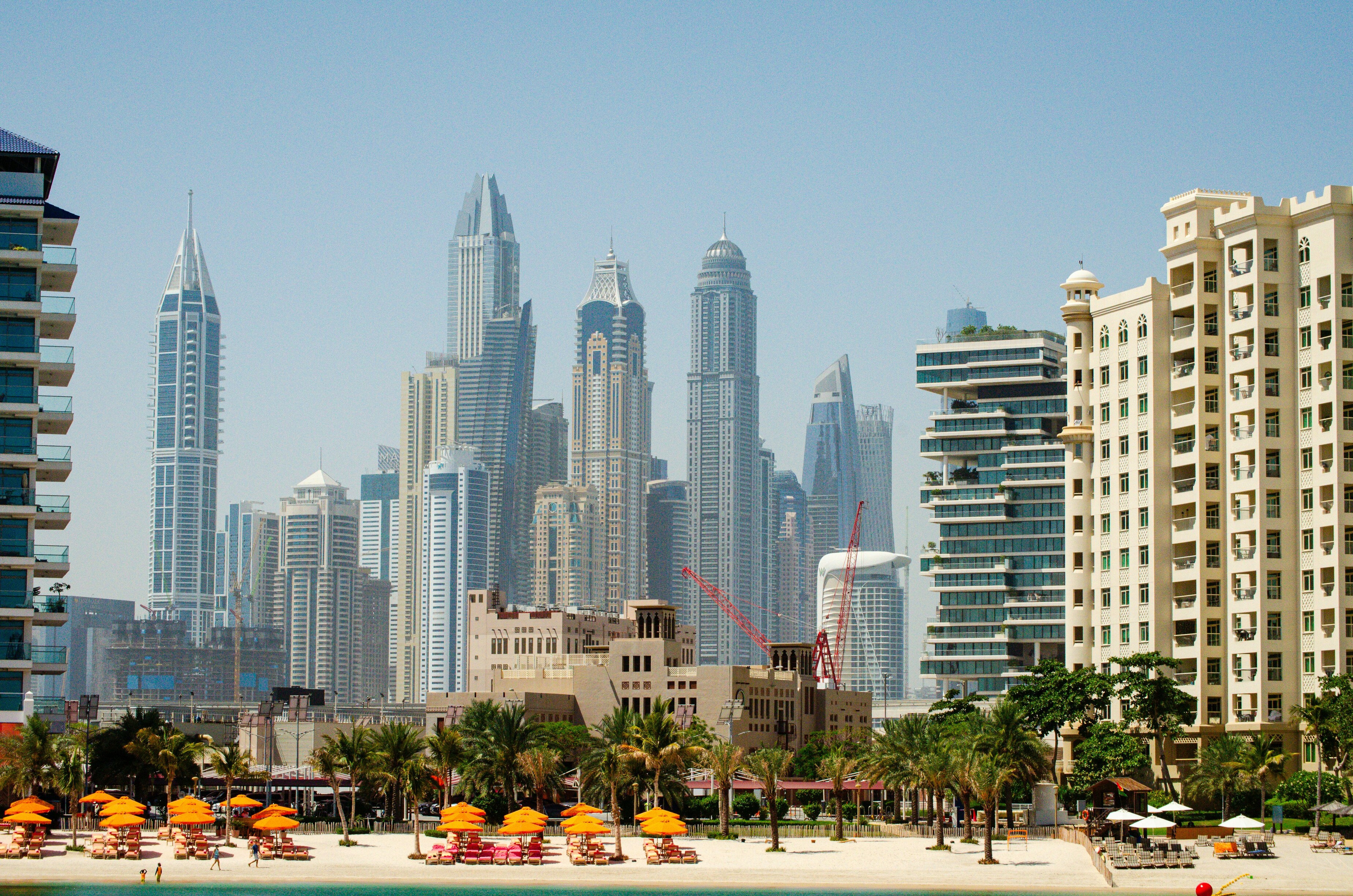
If you want to buy property in Dubai, a clear, step-by-step plan will save you time and money.
Dubai’s real estate market has become a magnet for international investors and residents seeking world-class luxury, high rental yields, and a favorable tax environment.
Whether you are searching for an investment apartment overlooking the Burj Khalifa or a beachfront villa on the Palm Jumeirah, the buying process in Dubai is transparent and streamlined, provided you understand the essential regulatory steps set out by the Dubai Land Department (DLD).
Contact us to get advice and support
This guide walks you through objectives, costs, legal steps, financing, and compliance so you can purchase confidently, whether you are an individual or a company.
Why Dubai Property Attracts Global Buyers
Dubai’s market strength is not accidental, it is built upon a unique blend of tax advantages, unparalleled capital growth, and a global investment environment that continues to attract wealth from every continent. Investors are drawn by the city’s superior performance metrics compared to more established and heavily regulated global markets.
Here are the key factors driving the sustained influx of international capital:
- Exceptional Capital Growth: Dubai has consistently been one of the world's best-performing prime residential markets. In the five years leading up to 2024, prime residential prices in the emirate surged by approximately 147%. For comparison, in 2023, while global prime residential prices rose by an average of just 2.2%, Dubai’s prime sector reported growth of 17.4%.
- Zero Tax on Property Wealth: Unlike most major global cities, Dubai offers investors a truly tax-efficient environment for residential real estate. This includes:
- No annual property tax.
- No capital gains tax on the profit from property resale.
- No inheritance tax (Source: Sobha Realty).
- No personal income tax on rental earnings for individual investors, allowing owners to retain 100% of their cash flow.
- Affordability vs. Global Peers: Despite its luxury status, Dubai offers significantly better value per square meter than major cities. The average price per square meter for luxury property in Dubai (approximately $3,850) is vastly lower than in London ($19,350), New York ($22,850), or Hong Kong ($28,300).
- High Foreign Ownership Ratio: The city’s investment framework has resulted in an unusually high percentage of foreign ownership. In 2024, foreign nationals held around 43% of the total value of all residential property in Dubai, a share higher than any other global city for which estimates are available.
- Residency Incentives: The government actively attracts investors through the 10-year Golden Visa program, which is obtained by investing a minimum of AED 2,000,000 (≈ USD 545,455) in property. This links investment directly to long-term residency, providing unmatched stability and security for global families.
Step-by-Step Guide to Buying Property in Dubai
Here’s everything you need to know when buying Dubai property.
Step 1: Define Your Objective and Budget
Clarity about your goal shapes every decision that follows. Decide whether you want income, capital growth, or a mix.
- Income strategy
- Focus on completed apartments in established communities with stable tenant demand. Recent market commentary places apartments around the 5 to 7 percent gross yield range and villas lower.
- Growth strategy
- Consider off-plan or scarce waterfront and prime golf assets where long-term appreciation potential is stronger.
- Hybrid strategy
- Pair a ready, income-producing unit with an off-plan purchase for equity build.
When setting budget, include fees of roughly 6 to 8 percent. Examples that matter for planning: AED 750,000 (≈ USD 204,220) is a common entry point for investor residency, while AED 2,000,000 (≈ USD 544,588) meets Golden Visa property criteria. We detail those later with official sources.
Step 2: Choose Freehold or Leasehold
Foreign buyers can own freehold property in designated areas, while leasehold grants long-duration use rights.
- Freehold
- Full ownership in approved zones such as Downtown, Dubai Marina, Business Bay, Palm Jumeirah, Dubai Hills Estate, and more. The framework sits under Dubai Law No. 7 of 2006.
- Leasehold
- Typically up to 99 years in certain projects. Lease terms should be reviewed with your advisor.
If you are a company buyer, ensure your holding vehicle is acceptable for title registration with the Dubai Land Department.
Step 3: Decide Between Off-Plan and Ready
Your choice drives return timing, risk, and cash flow.
- Off-plan
- Pros: lower entry price, developer payment plans, potential appreciation through construction.
- Cons: delivery risk and market timing risk. By law, off-plan buyer payments must be held in a regulated escrow account tied to construction milestones under Law No. 8 of 2007.
- Ready
- Pros: immediate handover and rental income, wider bank financing.
- Cons: higher upfront cost than early off-plan phases.
Step 4: Understand All Purchase Costs
Model your true cash in before you negotiate. Dubai’s fees are standardized and published.
- Dubai Land Department transfer fee: 4% of the registered price. Dubai Land Department
- Trustee office fee: commonly AED 2,000 if the price is below AED 500,000 and AED 4,000 if AED 500,000 and above, plus VAT.
- Title deed and admin: fixed amounts issued by DLD at transfer.
- Agency commission: often 2% plus 5% VAT on the commission.
- Developer NOC for resales: typically AED 500 to AED 5,000 (≈ USD 136 to USD 1,360), varies by project.
- If mortgaged: mortgage registration with DLD, plus bank arrangement fees.
Step 5: Secure Financing or a Payment Plan
Decide early whether you will pay cash, take a mortgage, or use a developer schedule.
- Mortgages on completed property
- Central Bank rules provide loan-to-value guidance. For non-UAE nationals, a common cap is up to 75% LTV for a first home at or below AED 5 million, and 65% above that, with lower caps for second homes. Confirm live criteria with your lender.
- Off-plan finance
- Banks typically release funds at construction milestones or handover. Developers often offer 60/40, 70/30, or post-handover plans. Confirm exact triggers in the payment schedule.
Step 6: Conduct Due Diligence
Good diligence protects your return. Use official tools and documents, not just brochures.
- Title and ownership
- Verify via the Dubai Land Department’s Dubai REST app and relevant e-services.
- Project escrow (off-plan)
- Confirm the escrow account and developer registration under Law No. 8 of 2007.
- Service charges
- Check the approved rate for your building or community in the official RERA Service Charge Index and compare it with peer projects.
- Building health
- For ready units, review maintenance history and inspect MEP systems, waterproofing, and common areas.
Step 7: Sign The Sale Agreement
Dubai uses standardized contracts that make transactions efficient and auditable.
- Form F (Unified Sale Contract)
- Generated through the Dubai REST system by licensed brokers and signed by buyer and seller after terms are agreed. It standardizes key deal terms and timelines.
- Deposit
- Commonly 10% held per the contract, subject to the agreed process.
Step 8: Obtain the Developer NOC and Transfer Title
The closing step is straightforward when documents are prepared.
- No-Objection Certificate
- Issued by the developer to confirm service charges are paid and the unit is clear to transfer.
- Transfer at a DLD-approved Trustee Office
- Both parties attend, fees are paid, and the buyer receives the Title Deed once the transfer is processed.
Step 9: Register Tenancy or Apply for Residency
After completion, set up occupancy or apply for visas where relevant.
- Leasing
- Register all long-term leases with Ejari to enable utilities and protect tenancy rights. Recent guidance also emphasizes accurate co-occupant registration.
- Register all long-term leases with Ejari to enable utilities and protect tenancy rights. Recent guidance also emphasizes accurate co-occupant registration.
- Residency options
- 2-year investor residence (Taskeen) available from AED 750,000 (≈ USD 204,220) at purchase value, with conditions if mortgaged.
- 10-year Golden Visa available from AED 2,000,000 (≈ USD 544,588) at purchase value, including rules for mortgaged units.
Step 10: Manage and Maintain Your Property
Owning well is as important as buying well. Plan for ongoing costs and compliance.
- Service charges
- Use the RERA Service Charge Index to budget accurately and monitor changes over time.
- Property management
- Consider a licensed manager for tenant screening, rent collection, and compliance if you are abroad.
- Annual checkups
- Review insurance, preventive maintenance, and any building notices about major works.
Quick Buyer’s Checklist
Keep this list on hand as you move from search to signing.
- Objective and budget defined, with fees modeled
- Freehold eligibility confirmed for property and your ownership structure
- Title verified in Dubai REST; for off-plan, escrow confirmed under Law No. 8 of 2007
- Service-charge rate checked in the RERA index
- Financing pre-approved or developer plan agreed; LTV guidance noted
- Form F prepared in Dubai REST; deposit terms agreed
- NOC scheduled; transfer booked at a DLD-approved Trustee Office; Title Deed issuance confirmed
- Post-completion plan set: Ejari if leasing or residency application if eligible
Buying Dubai Property: Bottom Line
Dubai makes it straightforward to buy safely when you follow the rules and use official systems. Define your strategy, verify ownership and escrow, price your full costs, and choose financing that fits your cash flow. Close with Form F and a clean developer NOC at a Trustee Office, then register your tenancy or residency. With this process, you will own with a peace of mind in one of the world’s most transparent and active real estate markets.
Contact us to get advice and find the best property for your investment.
Frequently Asked Questions
How long does it take to buy a property in Dubai?
A typical purchase takes two to four weeks for ready property once the buyer has financing and documents in place. Off-plan purchases can be faster since transfers happen directly through the developer.
What is the minimum investment to buy property in Dubai?
There is no legal minimum to purchase, but properties valued at AED 750,000 (≈ USD 204,220) or more qualify for a 2-year investor visa. Prices for entry-level freehold apartments in prime zones often start around that range.
Can foreigners buy property in Dubai?
Yes. Foreigners can buy freehold property in designated areas such as Downtown Dubai, Business Bay, Dubai Marina, Palm Jumeirah, and Dubai Hills Estate. Ownership is registered with the Dubai Land Department and protected under Dubai Law No. 7 of 2006.
Are there property taxes in Dubai?
Dubai does not charge annual property tax on residential real estate. Buyers pay a one-time 4% Dubai Land Department transfer fee and standard agency and trustee fees. Ongoing costs include service charges and maintenance.
Can I buy property in Dubai without being a resident?
Yes. Residency is not required to buy property. You can purchase as an individual or through an approved entity. If you later wish to obtain residency, qualifying property value thresholds apply.
What are the main risks when buying off-plan property?
The primary risks are delivery delays, specification changes, or market shifts before completion. To mitigate them, ensure the project is registered with the Dubai Land Department and that buyer payments are held in a regulated escrow account.
Can I rent out my property after purchase?
Yes. All tenancy contracts must be registered with Ejari. If you choose short-term rentals, you must apply for a Holiday Home permit through Dubai’s Department of Economy and Tourism.
How can I verify that a property is genuine before buying?
Use the Dubai Land Department’s Dubai REST app to confirm title deeds, developer details, and building information. You can also check the RERA Service Charge Index for community fees and work only with RERA-licensed agents.
What documents do I need to buy property in Dubai?
You will need a valid passport, Emirates ID (if resident), and proof of funds or bank pre-approval for mortgages. For corporate buyers, additional documents such as trade licenses and board resolutions apply.
Can buying property in Dubai help me get a visa?
Yes. Property owners can qualify for a 2-year investor visa with property valued at AED 750,000 (≈ USD 204,220) or more, or a 10-year Golden Visa for property worth AED 2 million (≈ USD 544,588) and above, subject to eligibility.
Want to invest in Dubai? Contact our experts today

.avif)