.avif)

Apartments In Dubai Jumeirah Beach: A Strategic Guide for Buyers and Investors
Unlike purely speculative inland investments, coastal apartments tend to function as defensible assets where pricing, liquidity, and rental performance are shaped primarily by proximity to the shoreline, micro-location fundamentals, and supply constraints. This guide examines how key beachfront sub-markets such as JBR, La Mer, Umm Suqeim, and nearby Bluewaters behave in practice, what buyers should realistically expect in terms of pricing and yields, and how to evaluate these properties within a disciplined, long-term investment strategy.
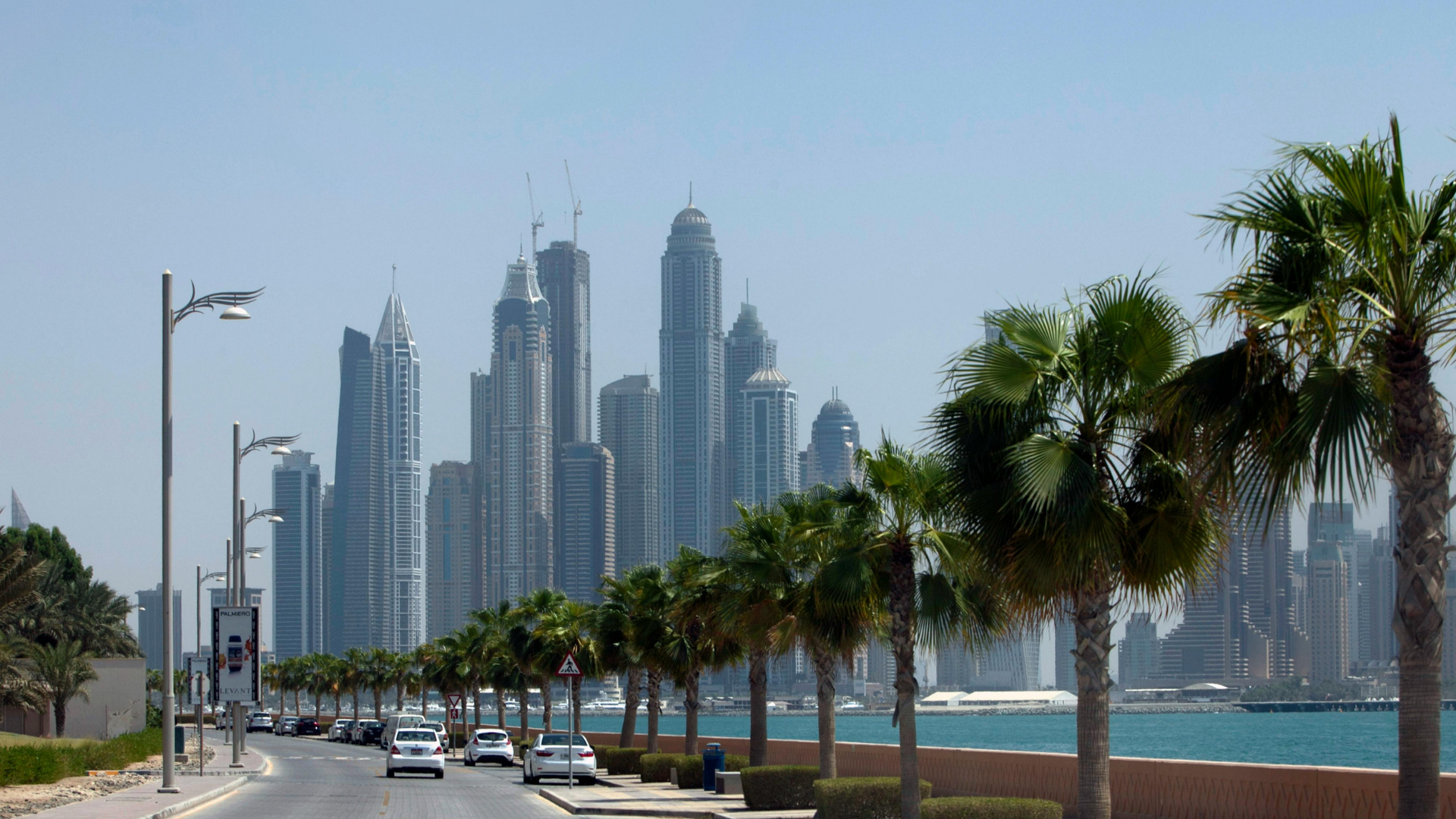
Apartments along Dubai’s Jumeirah Beach corridor occupy a unique position in the city’s residential market. They are neither purely speculative assets nor purely lifestyle purchases. Instead, they sit at the intersection of scarcity, global demand, and long-term capital defensibility.
For buyers considering apartments near Jumeirah Beach, whether for personal use, rental income, or long-term holding, the key is understanding how beachfront dynamics differ from inland communities. Pricing, yield, liquidity, and risk behave differently when proximity to the coastline becomes the primary value driver.
This guide explains how apartments in and around Jumeirah Beach perform in practice, what buyers should expect on pricing and returns, and how these assets fit into a disciplined long-term strategy.
Contact us to get advice and support
Why Jumeirah Beach Matters from a Capital Perspective
Beachfront land in Dubai is inherently finite. Unlike inland master-planned communities, new beachfront supply can only be created through land reclamation, which is capital-intensive, tightly controlled, and limited in scale.
From a hard infrastructure standpoint, Jumeirah Beach benefits from:
- Natural scarcity of beachfront plots
- Strong international lifestyle appeal
- Consistent demand from residents, tourists, and global tenants
- Long-term protection of beachfront zoning in established areas
This combination tends to support price resilience and liquidity, even during broader market corrections. While yields may be lower than in inland investor districts, beachfront apartments often behave as capital-preservation assets rather than yield-maximization plays.
Key Jumeirah Beach Apartment Locations
Apartments marketed under “Jumeirah Beach” are not a single, uniform asset class. The coastline is fragmented into distinct sub-markets, each with its own supply profile, tenant base, pricing behavior, and long-term risk characteristics. For serious buyers, understanding these micro-locations is far more important than the generic “beachfront” label.
Jumeirah Beach Residence (JBR)
JBR is Dubai’s most established high-density beachfront apartment cluster and one of the city’s most liquid coastal markets.
The community is characterized by:
- Large residential towers with direct beach access
- Strong demand from short-term tenants, tourists, and corporate renters
- High absolute rental income potential, but elevated service charges and seasonal variability
- High liquidity that is strong due to global recognition, though building quality varies widely by tower and age
JBR suits buyers who prioritize rental velocity and exit liquidity, but it requires careful building selection to avoid overpaying for aging stock.
La Mer / Jumeirah 1
La Mer and parts of Jumeirah 1 represent a very different beachfront proposition: low-rise, boutique living rather than vertical density.
This area is defined by:
- Limited apartment supply relative to demand
- Strong appeal to end-users and lifestyle-focused buyers
- Pricing that reflects scarcity rather than yield optimization
- Rental demand that exists but is typically less transactional than JBR
These locations tend to function as capital-preservation assets, with buyers accepting lower yield in exchange for exclusivity, quieter surroundings, and long-term desirability.
Umm Suqeim Beachfront Pockets
Umm Suqeim’s beachfront zones are among the most supply-constrained residential areas along Dubai’s coast.
This region has:
- Very limited apartment inventory, often embedded within villa-dominated neighborhoods
- Appeal from primarily to long-term residents and families
- Less exposure to tourist foot traffic and short-term rental volatility
- Resale liquidity that can be thinner due to limited comparables, but scarcity supports value retention
These pockets suit buyers who prioritize privacy, stability, and long-term holding, rather than frequent trading or yield maximization.
Bluewaters Island (Adjacent Market)
While not directly on Jumeirah Beach, Bluewaters Island is frequently cross-shopped due to its proximity and premium positioning.
This micro-location can be described as:
- A modern, master-planned island with controlled access
- Well branded with newer building stock compared with older beachfront clusters
- Higher priced with considerable service charges, reflecting amenity levels and infrastructure
- Having rental demand driven by professionals and international tenants seeking turnkey living
Bluewaters often appeals to buyers who want modern infrastructure and predictability, even if it comes at the cost of slightly lower net yields.
Why Micro-Location Matters
Across Jumeirah Beach, two beachfront apartments a few kilometers apart can behave very differently in terms of pricing stability, rental demand, and exit liquidity. Factors such as building age, density, tenant mix, noise exposure, and supply pipelines can outweigh the simple presence of a sea view.
For buyers and investors, the key is to assess each sub-market on its own fundamentals. In coastal real estate, location specificity drives long-term performance.
Pricing Context: What Buyers Should Expect
Apartments near Jumeirah Beach Residence and the broader Jumeirah Beach corridor generally command a premium relative to inland mid-market communities, driven by scarcity of prime coastal land and strong lifestyle demand.
Entry Pricing Compared to Inland Markets
- In JBR, average sale prices per apartment are around AED 6,120,000 - 6,180,000 (≈ USD 1.66M - 1.68M), reflecting its beachfront status and amenity levels.
- By contrast, apartments in inland communities such as Jumeirah Village Circle often average closer to AED 1,350,000 (≈ USD 366,000), making JBR significantly more expensive on an overall basis.
These figures illustrate how beachfront premium pricing sits well above mid-market districts, even before addressing view quality and finish level.
Price Per Square Foot Comparison
- Apartment price per square foot in JBR commonly falls between AED 1,600 and AED 2,000 (≈ USD 436–545) in typical mid-range buildings.
- By comparison, broader citywide apartment price benchmarks are around AED 1,700 per sq ft (≈ USD 463) on average, with premium communities like Dubai Marina often exceeding that but still generally below pure beachfront pricing.
Premiums for Sea Views and Location
Pricing within JBR varies meaningfully based on view quality and orientation:
- Units directly facing the Arabian Gulf or with unobstructed sea views typically trade at the upper end of the pricing range (closer to AED 2,000+), while internal-view apartments trade at lower bands within the same community.
- Boutique beachfront sub-markets such as La Mer and pockets of Umm Suqeim can command further premiums due to limited supply and lifestyle positioning, even when average traded volumes are lower.
What Buyers Actually Focus On
Rather than chasing the absolute lowest price per square foot, experienced buyers evaluate micro-location and asset fundamentals that materially impact rental performance and future resale:
- View protection & orientation: Units with protected sea views often see stronger long-term demand and lower risk of future obsolescence.
- Proximity to beach access: Apartments within walking distance of public beach points and leisure zones generally command steadier rents and broader tenant interest.
- Building age & maintenance: Newer developments with modern common areas and efficient building systems tend to attract higher rents.
- Foot traffic & noise exposure: Buildings adjacent to high-traffic promenade zones may trade at a discount relative to quieter blocks with similar sea exposure.
Rental Performance and Yield Expectations
Beachfront apartments near Jumeirah Beach Residence typically deliver moderate but stable rental yields, supported by both lifestyle demand and tourism-linked rental activity. While premium pricing suppresses headline percentages compared with some inland investor districts, the quality of tenant demand and long-term occupancy tends to be stronger than many observers realize.
Historical and Recent Yield Trends
- Gross rental yields in JBR have been consistently in the mid-single digits over recent years. Independent market data notes that apartments in JBR commonly achieve around 5%-7% gross annual yield, depending on unit size, layout, and view line, with smaller units often nearer the top of that range.
- Historical comparisons across Dubai show that premium waterfront and beachfront yields like those in JBR are often comparable to other prime sub-markets (e.g., Dubai Marina) even if they sit slightly below more affordable mid-market zones such as International City or Dubai Sports City.
This mid-single-digit yield profile reflects pricing discipline and scarcity. Beachfront land is finite, which pushes up acquisition costs and compresses percent-based yields even when absolute rents are substantial.
Strong Absolute Rents and Tenant Profiles
- Rents in JBR are typically 10%-20% higher than neighboring inland communities due to lifestyle factors like direct beach access and amenity clusters.
- Typical annual rents in JBR (for example, 1-bedroom units) can range from AED 70,000 to AED 95,000 (≈ USD 19,000–26,000); 2-bedroom units often range AED 110,000 to AED 150,000 (≈ USD 30,000–41,000).
- The variety of tenant demand spans long-term expatriates, corporate renters, and tourism-linked short stays, meaning owners can tailor leasing strategies to market conditions.
Long-Term Stability and Capital Resilience
Part of the rationale for accepting “moderate” gross yields in beachfront locations is tenant quality and demand durability. JBR’s blend of permanent residents and high rental turnover from short-stay bookings tends to underpin high occupancy rates even in softer market cycles. Although short-term yields can fluctuate seasonally, long-term residential leasebacks provide a solid baseline for investors prioritizing consistency and cashflow.
End-User vs Investor Appeal
End-Users
For residents, Jumeirah Beach apartments offer:
- Walkable beachfront lifestyle: Apartments along Jumeirah Beach offer direct access to the shoreline, promenades, and public beaches, supporting a walkable daily lifestyle that remains in consistent demand among residents and tenants.
- Proximity to dining, leisure, and retail: Beachfront communities benefit from dense clusters of restaurants, cafes, gyms, and retail outlets, reducing reliance on car travel and enhancing both liveability and tenant appeal.
- Strong resale appeal if relocation plans change: Due to global recognition and limited coastal supply, well-located beachfront apartments tend to retain broad buyer demand, supporting resale liquidity if owners need to exit because of relocation or lifestyle changes.
These buyers often prioritize lifestyle and long-term enjoyment over maximizing yield.
Investors
For investors, beachfront apartments function as:
- A diversification asset within a broader portfolio: Beachfront apartments introduce geographic and asset-type diversification, offering exposure to lifestyle-driven demand that behaves differently from purely yield-focused inland residential markets.
- A hedge against oversupply in inland markets: Coastal inventory is structurally constrained, which can help insulate beachfront apartments from the pricing pressure and rental volatility that sometimes affect high-volume inland developments.
- A product with strong international liquidity: Well-located beachfront apartments benefit from global buyer recognition and cross-border demand, supporting resale liquidity even when domestic market conditions soften.
Investor success depends heavily on unit selection and net yield modeling, especially service charges.
Risks and Considerations
Beachfront does not mean risk-free. Buyers should consider:
- Higher service charges in amenity-heavy buildings: Beachfront developments often include extensive shared amenities such as pools, gyms, concierge services, and landscaped common areas. While these features enhance tenant appeal, they also translate into higher annual service charges, which can materially reduce net rental yields if not carefully modeled on a per-square-foot basis.
- Noise and congestion in tourist-dense zones: Popular beachfront areas attract a steady flow of visitors, particularly during peak seasons and weekends. Units facing promenades, beach clubs, or entertainment venues may experience elevated noise levels and foot traffic, which can affect livability for end-users and limit tenant appeal for longer-term residential leases.
- Older building stock in some beachfront clusters: Several established beachfront communities were developed earlier in Dubai’s real estate cycle. Older buildings may face higher maintenance requirements, less efficient layouts, or dated building systems, increasing ownership costs and making selective building-by-building due diligence essential.
- Regulation around short-term rentals: Short-term leasing in Dubai is regulated, with requirements for registration, licensing, and compliance with tourism authorities. Changes in enforcement or building-specific restrictions can impact the viability of short-term rental strategies, making it important for investors to confirm permitted usage before relying on holiday-let income assumptions.
Not all beachfront apartments perform equally, and poor building selection can erode the location premium.
Final Thoughts
Apartments near Jumeirah Beach are best viewed as lifestyle-anchored, scarcity-driven assets rather than pure yield plays. Their strength lies in long-term desirability, international appeal, and capital defensibility, not short-term price arbitrage.
For buyers seeking exposure to Dubai’s coastal real estate without committing to ultra-high-value villas, beachfront apartments offer a balanced entry point, provided the asset is selected with discipline and a clear holding strategy.
Contact us to get advice and support
Contact us to get advice and support
Frequently Asked Questions
Are apartments near Jumeirah Beach a good investment?
They can be for buyers who prioritize capital preservation, liquidity, and long-term desirability over maximizing headline rental yields. Beachfront apartments tend to perform best as medium-to-long-term holdings rather than short-term trading assets.
Do beachfront apartments rent easily?
Yes, particularly well-located units with sea views, walkable access to the beach, and strong building management. Demand is supported by a mix of long-term residents, corporate tenants, and short-stay renters, although seasonality can influence pricing.
Are service charges higher near the beach?
Often yes, especially in amenity-heavy or older beachfront buildings where maintenance costs are higher. This makes net yield analysis essential, as service charges can materially affect long-term returns.
Is beachfront supply limited in Dubai?
Yes. Beachfront land is structurally finite, and new supply is largely restricted to reclaimed or master-planned developments, which supports long-term demand and pricing resilience for well-located coastal apartments.
Contact us today to help you find apartments in Jumeirah Beach.

.avif)